

Start your path to flourishing.
The Classroom Program for a Kinder Planet
The foundation for Sesame Street’s season on kindness, originally launched in an Emmy®–winning video series, The Kindness Curriculum is a research-developed, free tool that brings lifelong wellbeing skills to PreK–K classrooms.


.svg)
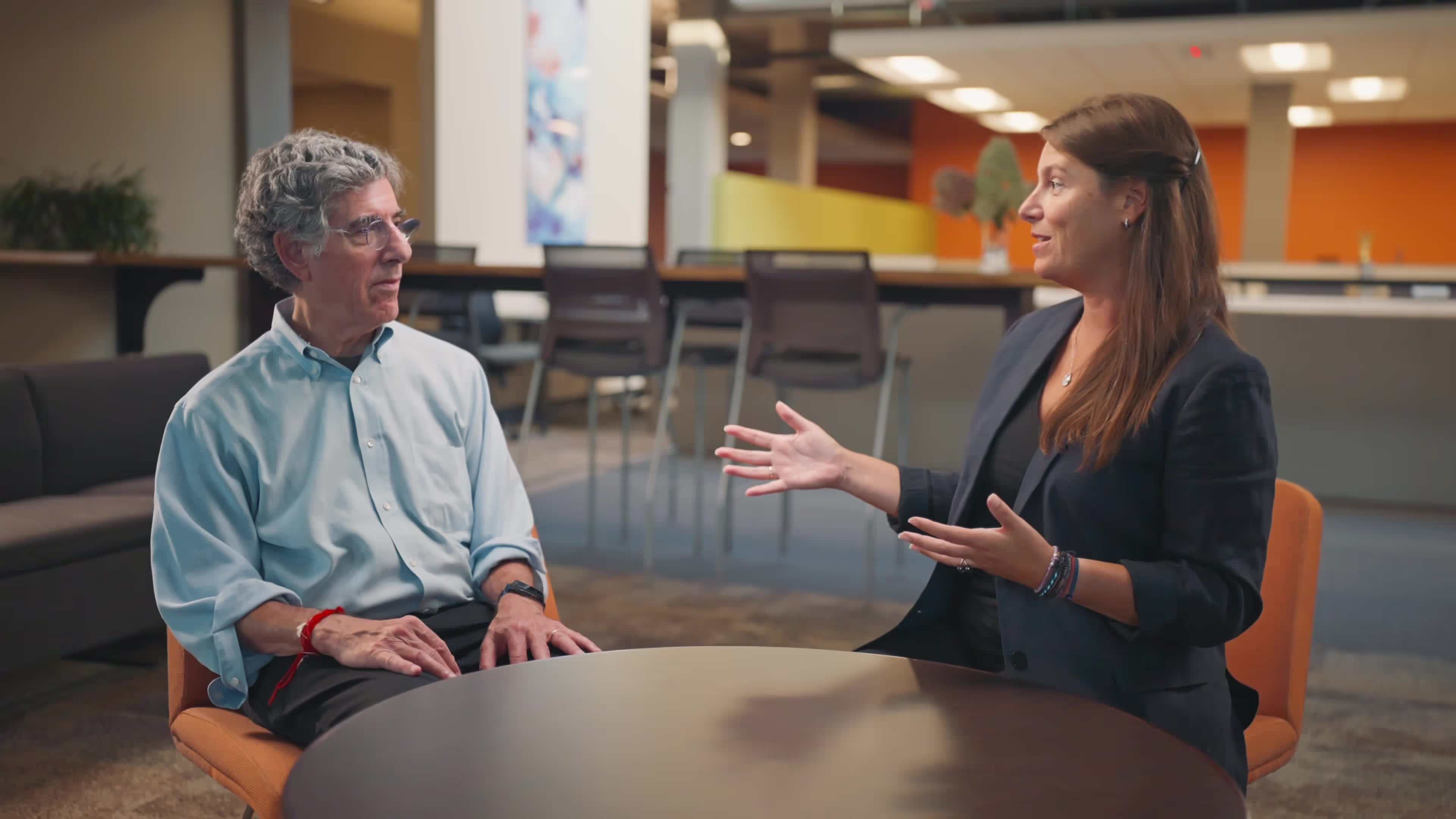
The Kindness Curriculum is Making Wellbeing Real
Contagious Wellbeing: PreK-Kindergarten Teacher to Student
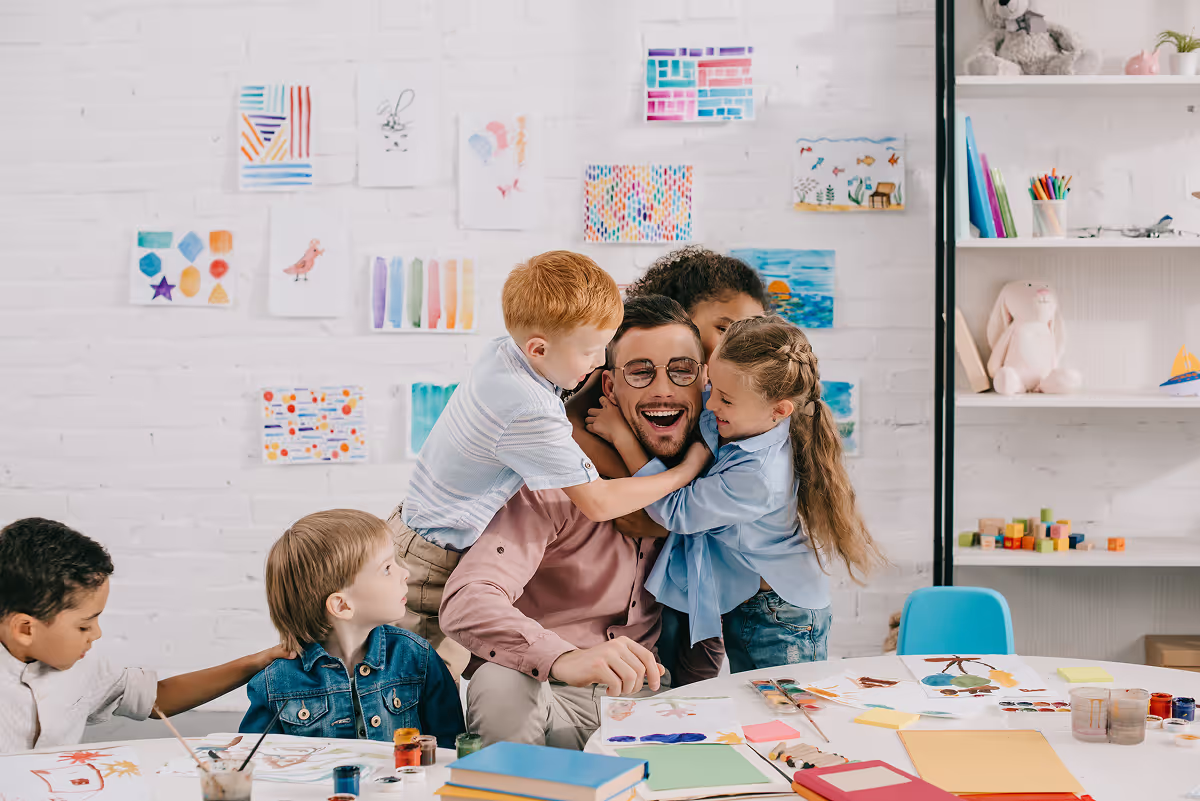
Teacher Benefits
.svg)
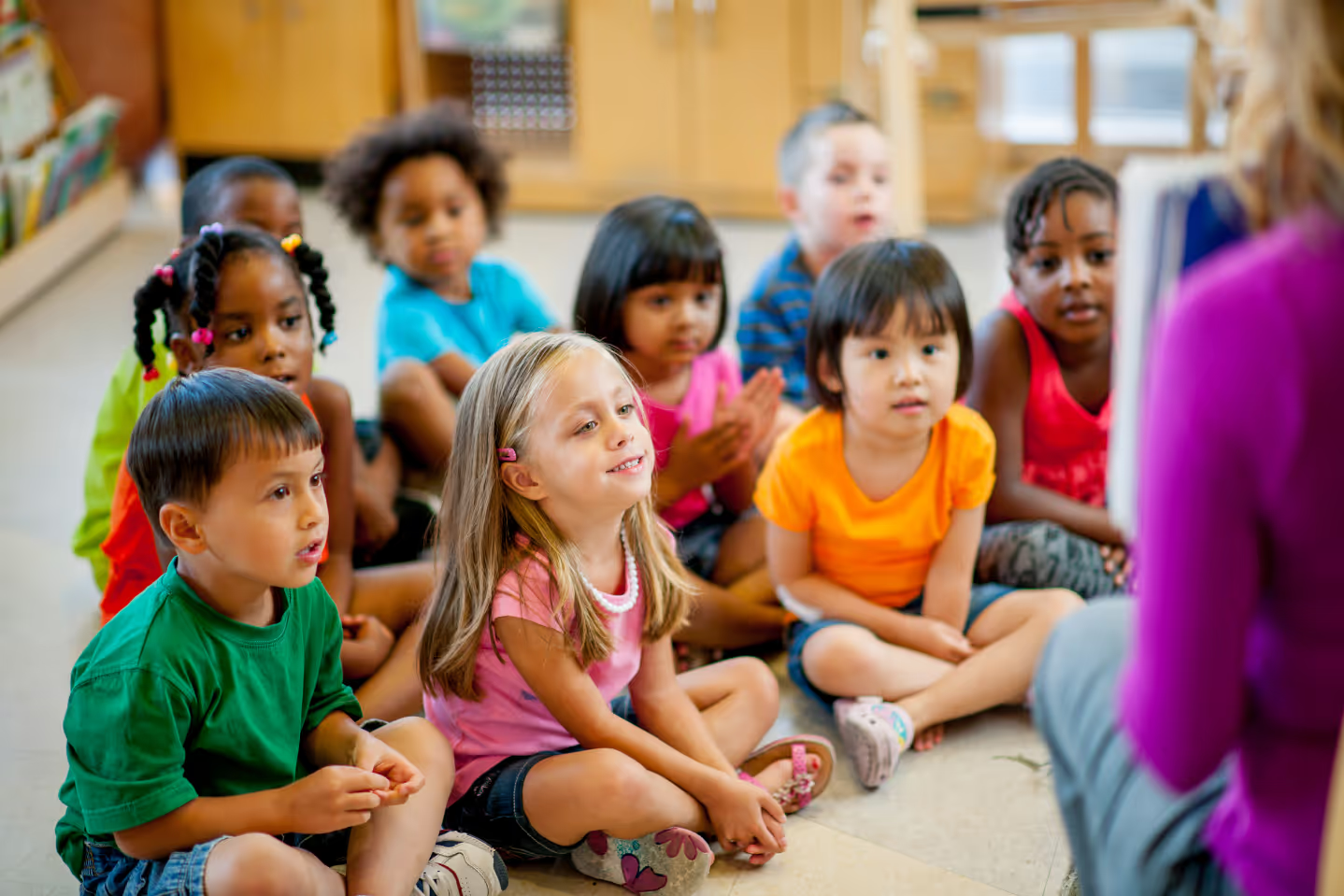
Student Benefits
Explore the Science-Backed Magic of the Kindness Curriculum
Build a kinder planet, starting in your classroom
The Kindness Curriculum is a free, 24-lesson program guide designed to help teachers and their PreK-K students attend to their emotions, self-regulate, and care for themselves and others. Studies have shown it to have a positive impact on student academic performance, peer relationships, and teacher-perceived social competence.
Attention, Breath, and Body
Learn how students learn mindfulness by paying attention to their senses, breath, and body movements.

.svg)
Caring and Emotions
Explore how students recognize and work with their emotions, learning to care for themselves and others.
.svg)
Tips and Tricks
Hear directly from educators about their experiences implementing the Kindness Curriculum in their classrooms.
.svg)
Experience Mindfulness
The best way to learn about the benefits of mindfulness is to develop your own practice. Follow along with this guided breathing exercise.
.svg)


Put compassion in the lesson plan
Think a friend, parent, or teacher would love this? Share the Kindness Curriculum


FAQ’s
How does the Kindness Curriculum work? How is it different from all others?
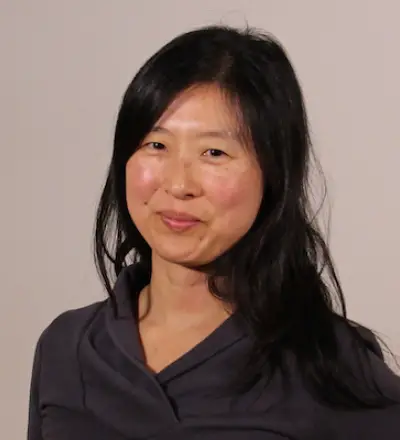
The Kindness Curriculum was developed through ongoing research by scientists at the Center for Healthy Minds, and originators Dr. Lisa Flook and Laura Pinger. Initial findings have shown it to have a positive impact on PreK-K students’ academic performance, peer relationships, and teacher-perceived social competence. In addition, the Curriculum served as the foundation for Sesame Street’s season on kindness, and was demonstrated through an Emmy®–winning video series by PBS Wisconsin Education. Its impact, science, and notoriety make it one of our more unique partnerships and offerings.
How is it different from all others?
The Kindness Curriculum was developed through ongoing research by scientists at the Center for Healthy Minds, and originators Dr. Lisa Flook and Laura Pinger. Initial findings have shown it to have a positive impact on PreK-K students’ academic performance, peer relationships, and teacher-perceived social competence. In addition, the Curriculum served as the foundation for Sesame Street’s season on kindness, and was demonstrated through an Emmy®–winning video series by PBS Wisconsin Education. Its impact, science, and notoriety make it one of our more unique partnerships and offerings.
Is the Kindness Curriculum truly free? How is that possible?
Yes! The Kindness Curriculum is entirely free, thanks to the very kind legacy contributions of Nancy Gunzberg, Friends of PBS Wisconsin’s Focus Fund for Education, and the Timothy William Trout Education Fund. New research, editions, and translations of the Kindness Curriculum are made possible by donations from our community. Please donate today!
How can I get support teaching the Kindness Curriculum in my classroom? Implementing it more broadly at my school?
We love helping our educators with their paths to flourishing schools and communities. For help implementing the curriculum in your classroom, feel free to reach out to our Kindness Curriculum partners at The Kindness Project. If you would like to explore ways to customize this or other curricula or courses for your school, feel free to contact us.
How can I share the Kindness Curriculum with my network or community?
Science demonstrates that wellbeing is contagious. Help us continue to spread wellbeing by sharing links to the Kindness Curriculum on your social and web platforms, during school or community activities, and on group text chats with your PreK-K teacher networks. Some of our community ambassadors print keepsakes with QR codes and other assets provided by Humin to hand out during related events in their city. Feel free to contact us for support or more ways to get involved!
How can I support or donate to keep the Kindness Curriculum free?
Every donated dollar benefits our mission to make wellbeing real for everyone. Donate today! Please consider a monthly donation or organizational sponsorship. If you have other creative ways to give, we would love to hear from you! Contact us.